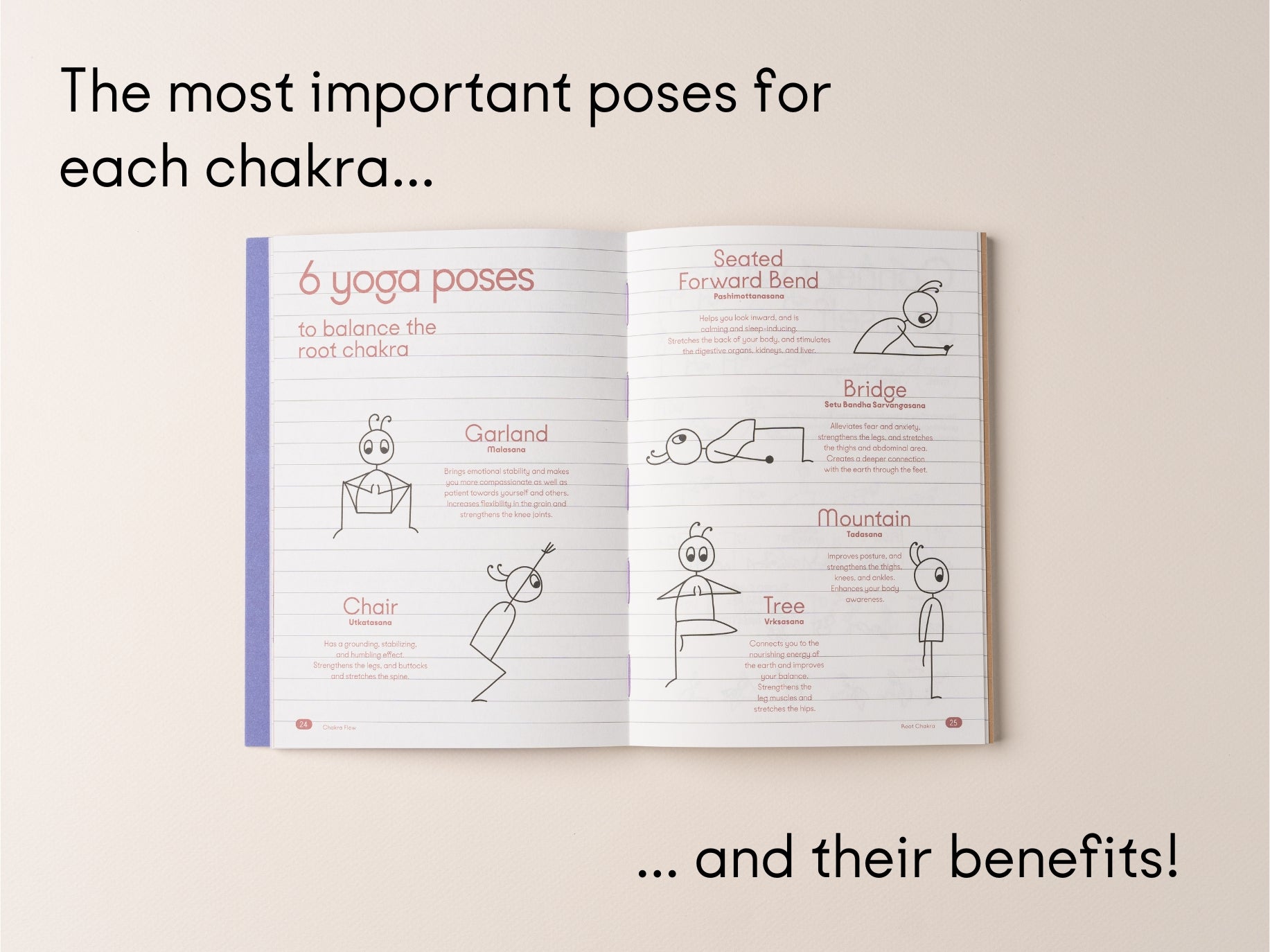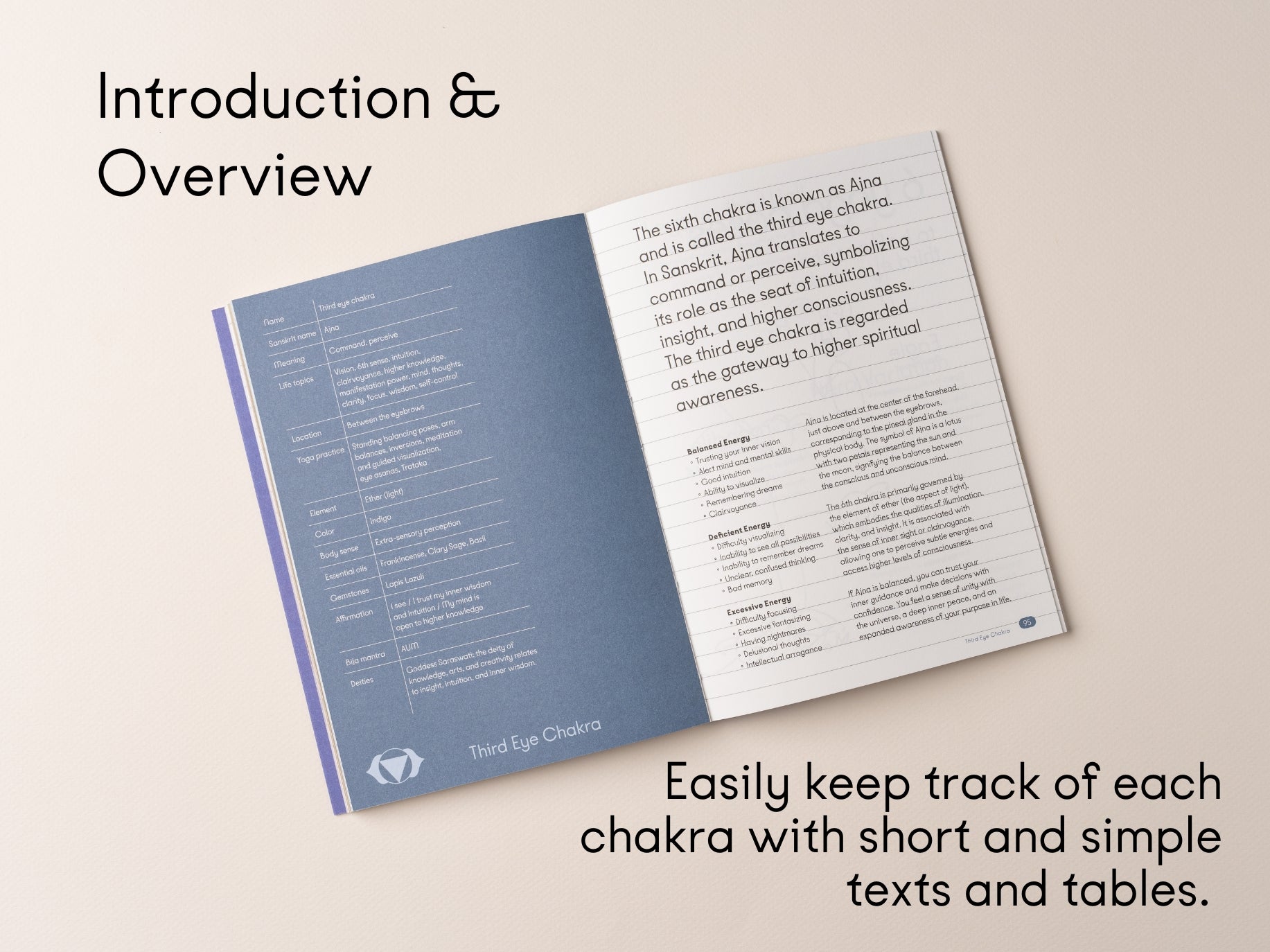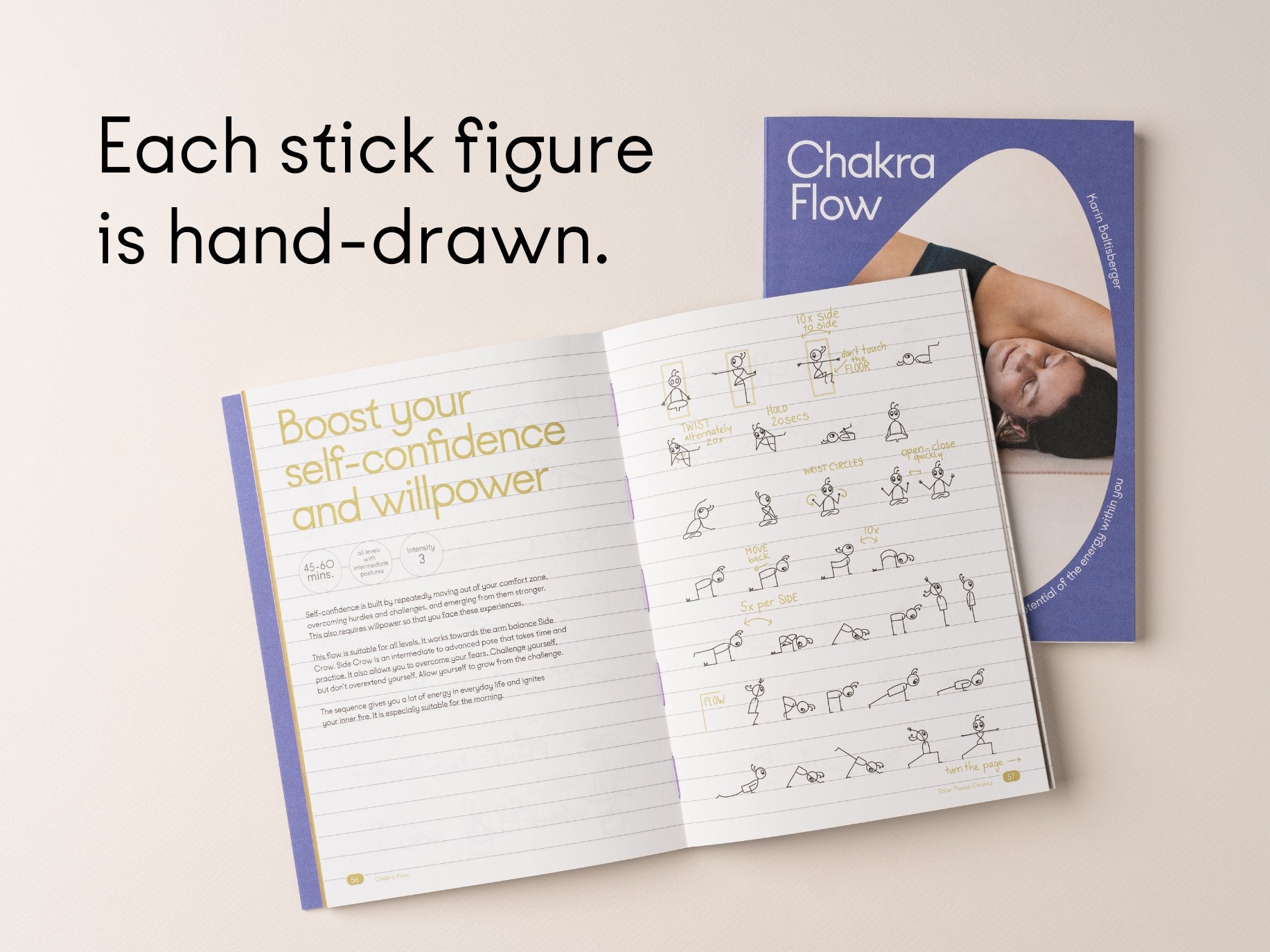
It's twenty minutes before class. You have your mat, your playlist, and a blank page. Sound familiar? I've been there more times than I can count. After building hundreds of flows as a yoga teacher, I've learned that good yoga sequencing isn't about knowing more poses. It's about having a few reliable ways to put them together.
In this guide I'll show you the principles every well-sequenced class follows, and then five sequencing methods I use again and again: peak pose, ladder, mandala, wave, and thematic flows. Each one comes with a short example you can take straight to your mat.
What is yoga sequencing?
Yoga sequencing is the art of arranging yoga poses in an order that prepares the body, builds toward a clear focus, and brings students back to rest. A good sequence feels logical to the body: every pose makes the next one easier and safer, and the whole class has a beginning, a middle, and an end.
I like to think of it as a story. The poses are the words, and sequencing is how you turn them into something your students can follow with their whole body.
5 principles of good yoga sequencing
Whatever style you teach and whichever method you choose below, these five principles always apply.
- Follow the arc. Arrive, warm up, build toward the most demanding part, cool down, rest. The proportions change with the style, but the shape stays the same.
- Prepare before you ask. Every demanding pose needs its ingredients first. Before a deep backbend, open the front of the hips and the shoulders. Before an arm balance, wake up the core and the wrists.
- Balance with counterposes. After a strong backbend, a gentle twist or forward fold brings the spine back to neutral. I plan the counterpose at the same time as the pose itself, so it never gets lost.
- Work both sides. Whatever you do on the right, repeat on the left. Writing "repeat on the other side" into your plan saves you from forgetting it in the middle of class.
- Let the breath set the pace. Vinyasa moves with one breath per movement, hatha holds each pose for several breaths, and yin stays for minutes. Decide on the pace first, then choose the poses.
Want the complete step-by-step process, from your intention to a finished class plan? I wrote it all down in How to Create a Yoga Sequence: A Complete Guide for Teachers.
Watch: how I build a peak pose sequence
In this video I walk you through the five things I think about whenever I plan a class: the dramaturgy of a class, its components, building the sequence, writing it down, and practicing it in my own body before I teach it.
5 ways to sequence a yoga class
These are the five sequencing methods I come back to most often. You don't need all of them in every class. Pick the one that fits your students and your intention, and let it become the backbone of your plan.
1. Peak pose sequencing
A peak pose class builds toward one challenging pose, for example an arm balance, an inversion, or a deep backbend. Everything before the peak prepares the body for it, and everything after it helps the body recover.
Best for: intermediate classes, workshops, and students who love working toward a goal.
- Choose your peak pose and ask what it needs: which joints open, which muscles work, and how much balance it takes.
- Warm up with gentle movement like Cat-Cow and Sun Salutations.
- Add preparatory poses that each practice one ingredient of the peak.
- Offer the peak pose with a modification, so everyone in the room has a version.
- Cool down with counterposes and finish in Savasana.
Example with Wheel Pose as the peak:
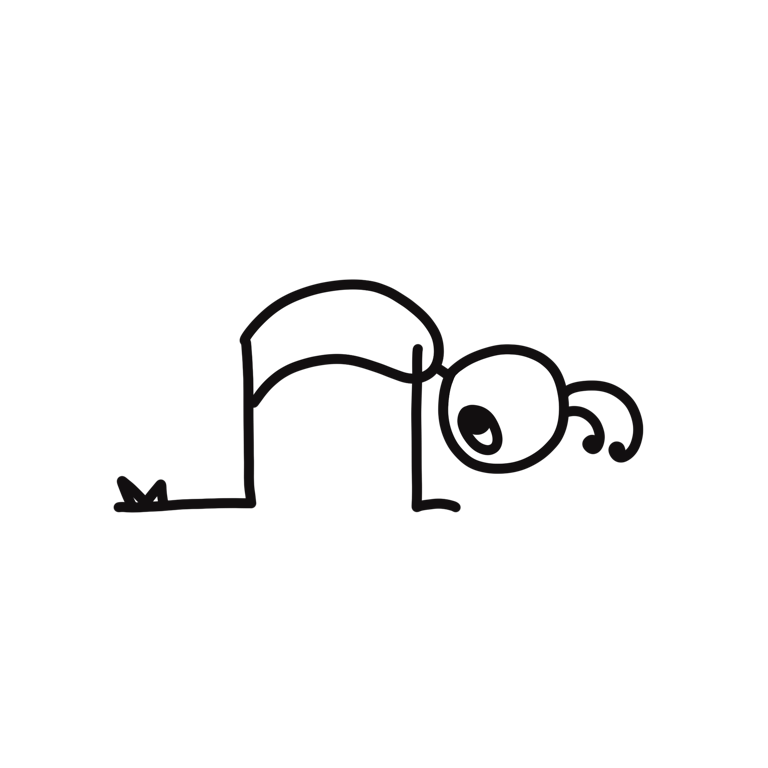


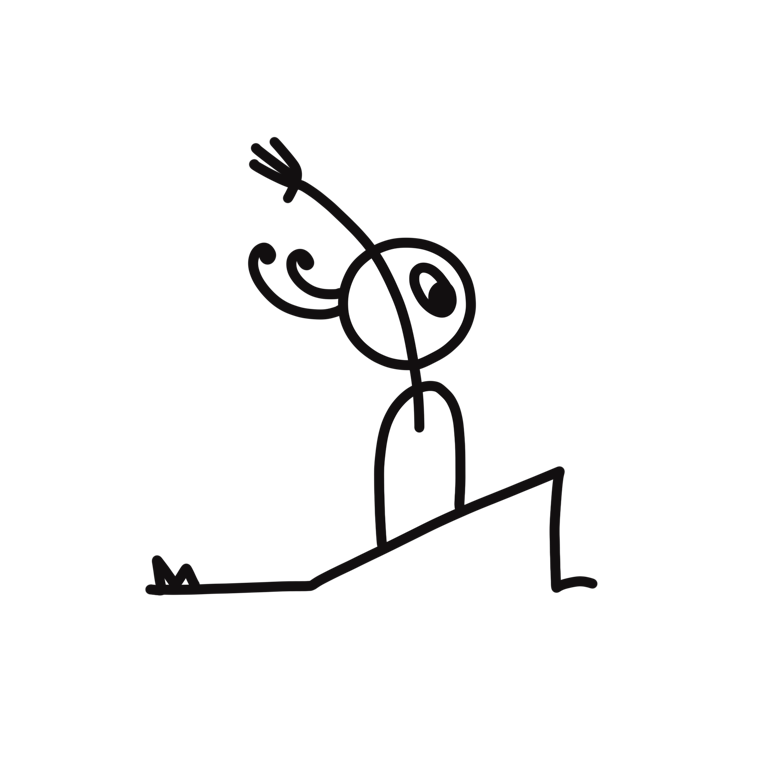
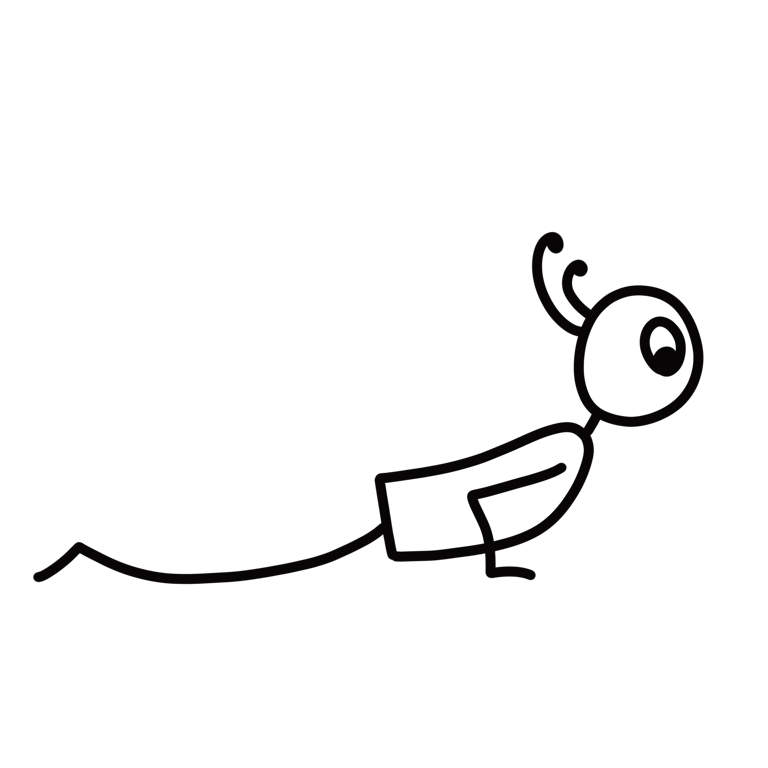
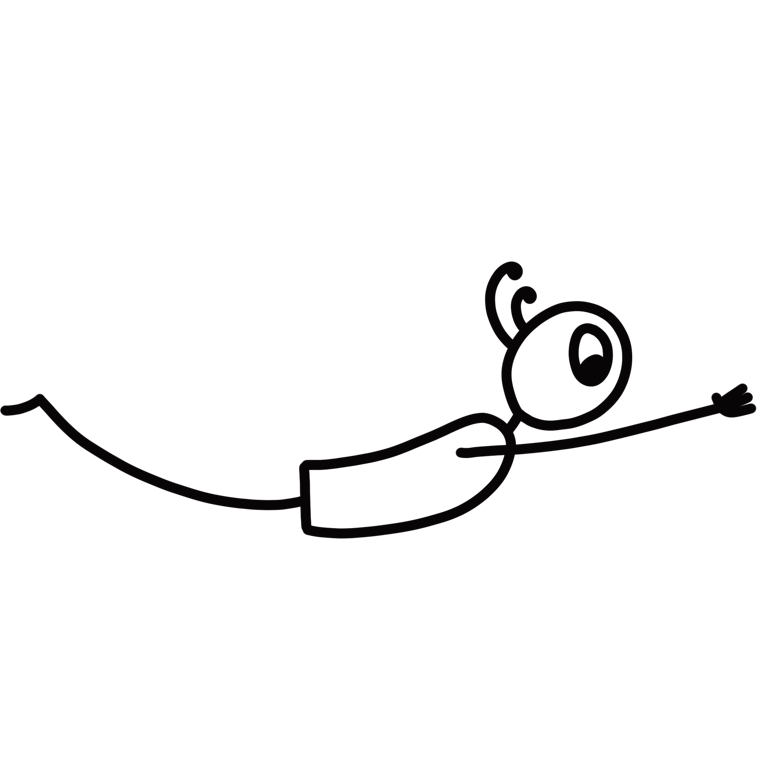

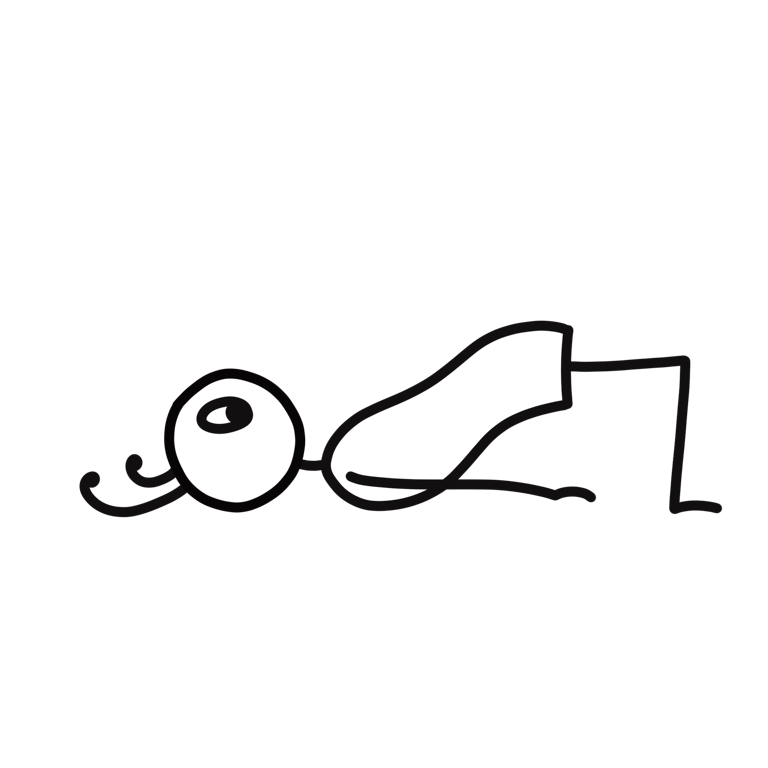
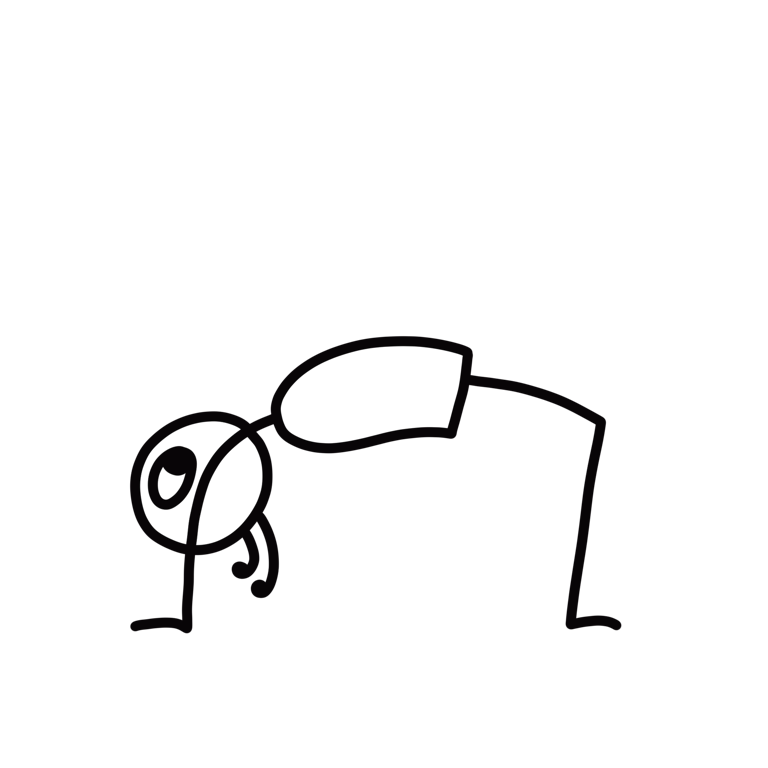
Peak
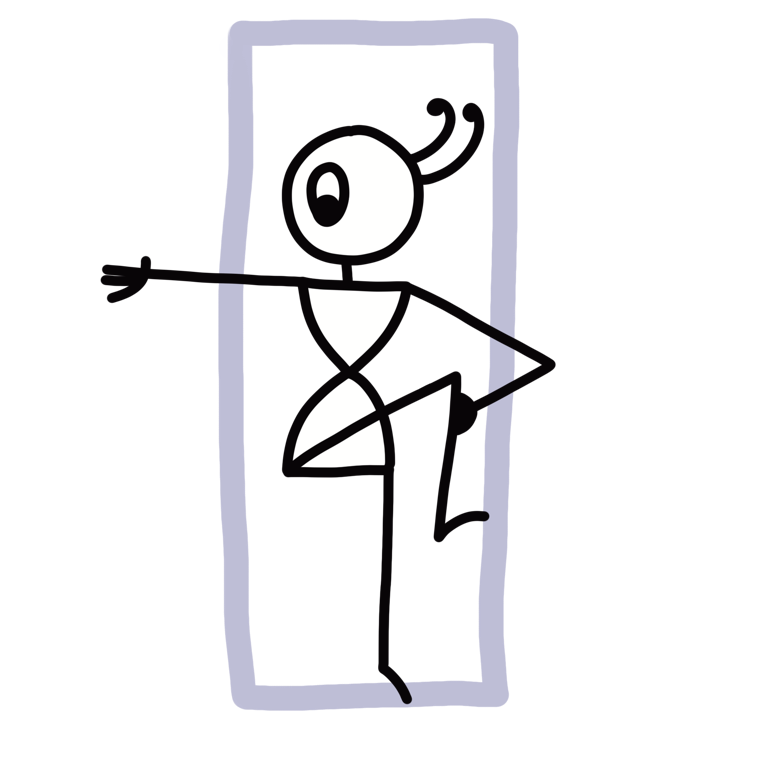
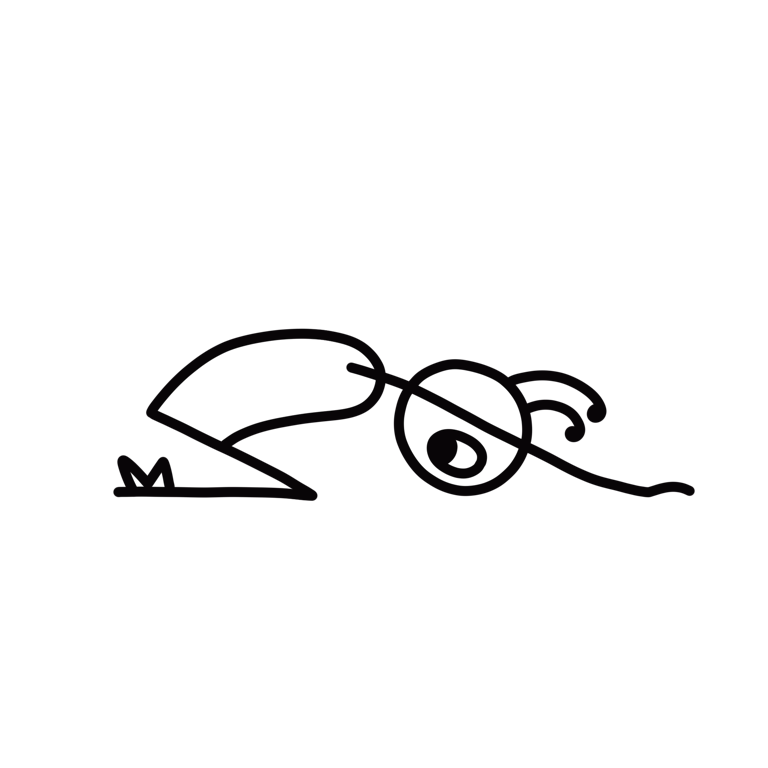
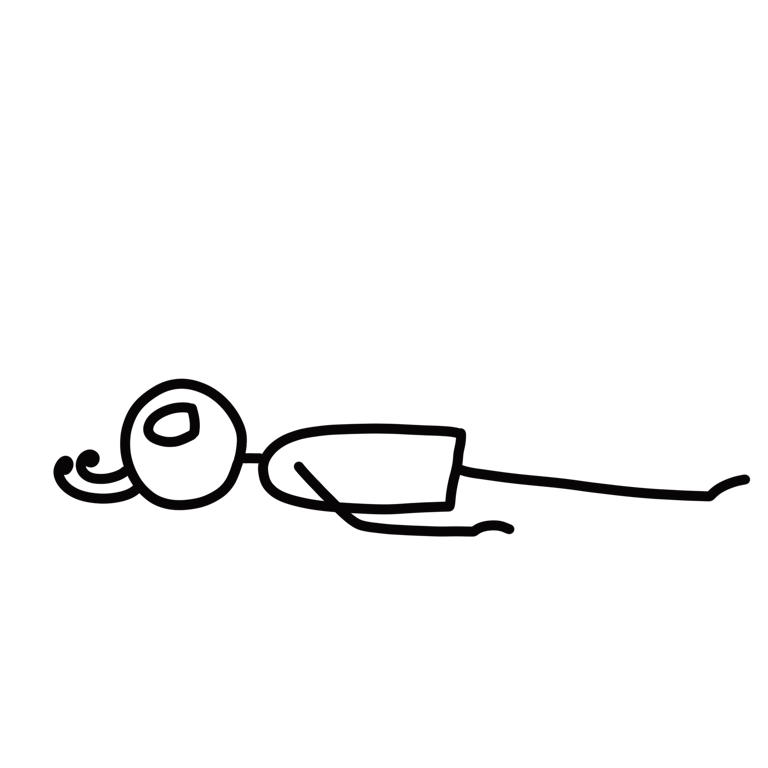
Want to see a complete class built toward Crow Pose? Read my guide to peak pose sequencing. And if you want the whole framework, my e-book The Art of Peak Pose Sequencing shows you how to choose a peak pose, break it down, and build the path toward it.
2. Ladder flow
A ladder flow grows round by round. You start with a short sequence and add one new pose in every round, so the flow gets a little longer each time, just like climbing a ladder. Students love it because they know what's coming and can really settle into their breath.
Best for: vinyasa and power classes, and students who enjoy a challenge for body and mind.
- Start with a simple base of two or three poses.
- In every round, add one new pose to the end of the chain and flow back to the start.
- Keep the chain logical: every new pose should be an easy transition from the one before.
- Stop at five to seven poses, then flow the complete ladder once on each side.
- Cool down with longer holds, so the nervous system can land.
Example of a standing ladder:
Round 1
Round 1
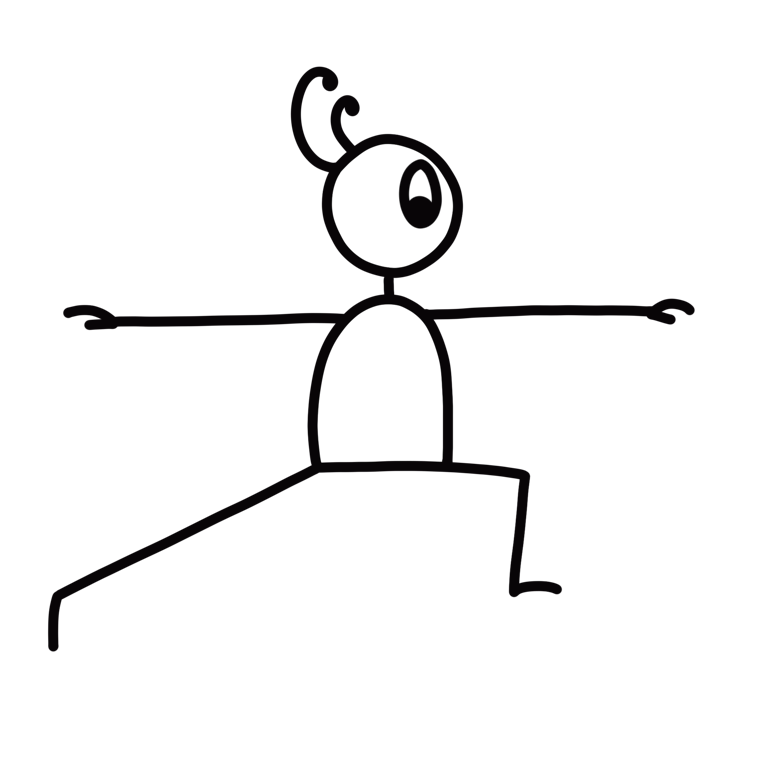
+ Round 2
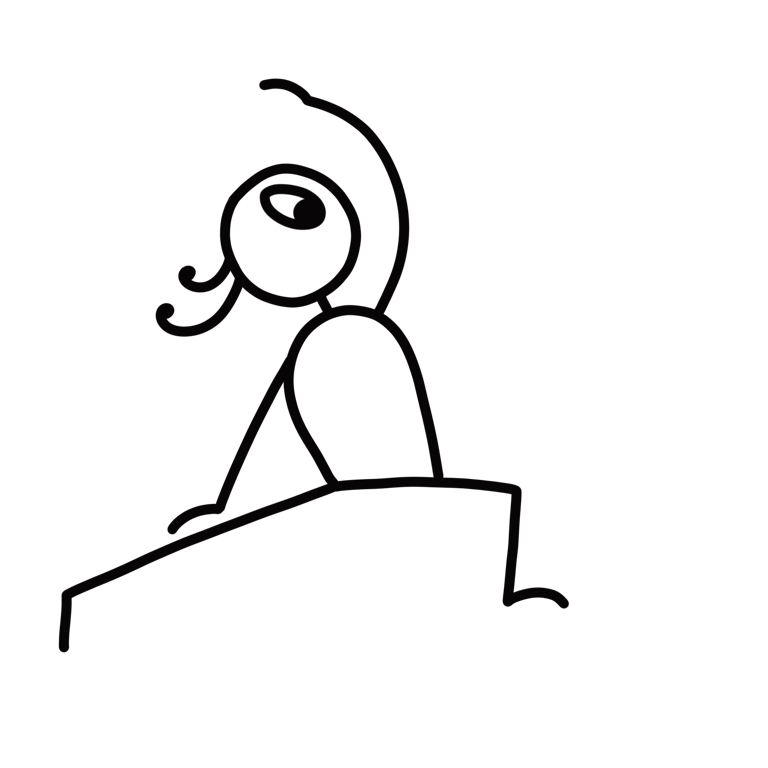
+ Round 3
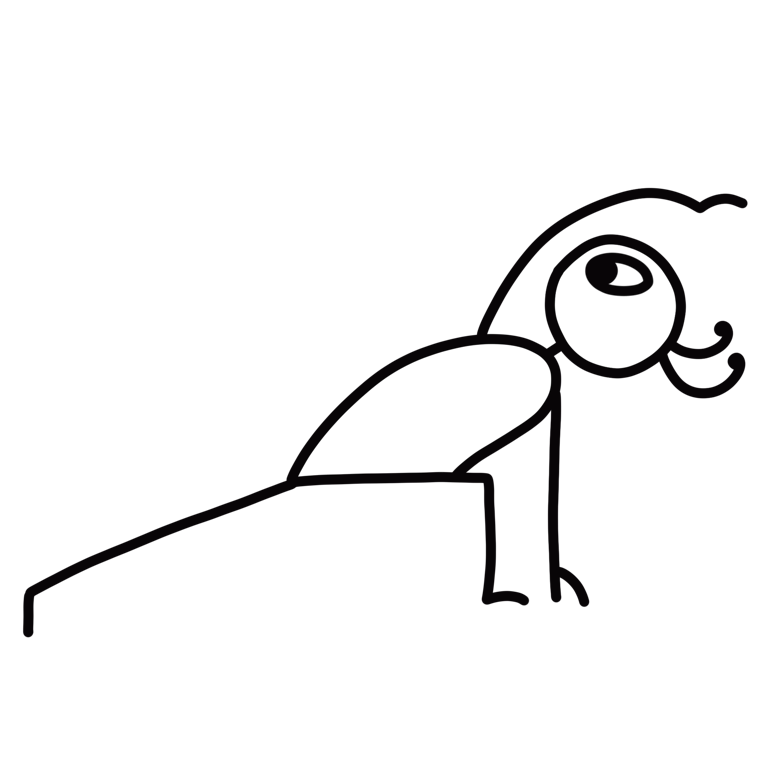
+ Round 4
3. Mandala flow
A mandala flow moves around the mat in a full circle. Instead of facing the front the whole time, you and your students turn with the sequence, and the practice gets a playful, 360-degree feeling.
Best for: creative vinyasa classes, workshops, and special occasions like a full moon class.
- Decide on the direction and plan the turning points before class.
- Use transitions that change direction naturally, like a wide-legged forward bend or Skandasana.
- Balance the sides: travel the full circle in one direction, then in the other.
- Come back to the center of the mat with a grounding pose like Child's Pose or a seated meditation.
Example of a turning sequence:
Facing front
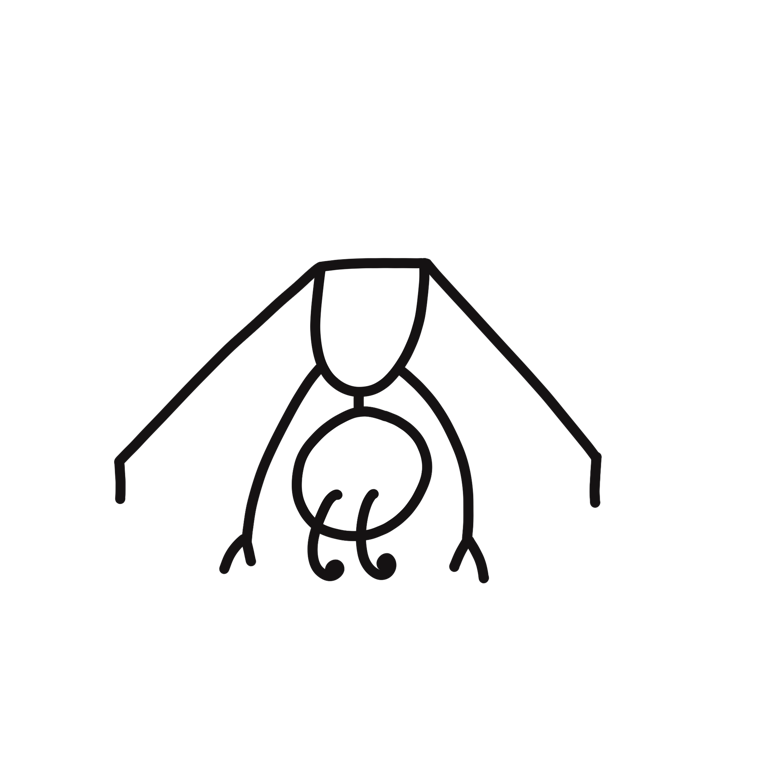
Turn
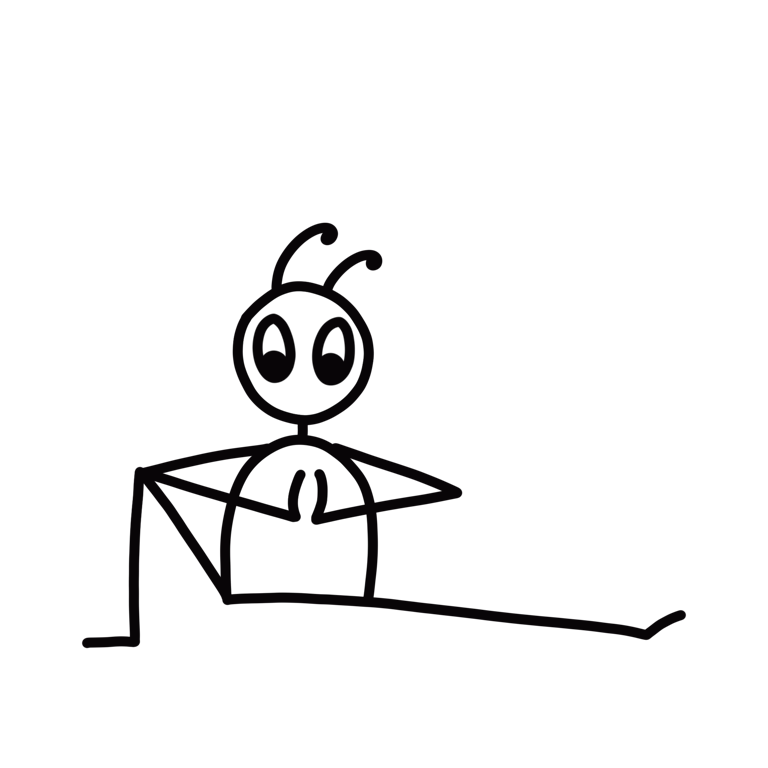
Turn
Facing back
Center
4. Wave flow
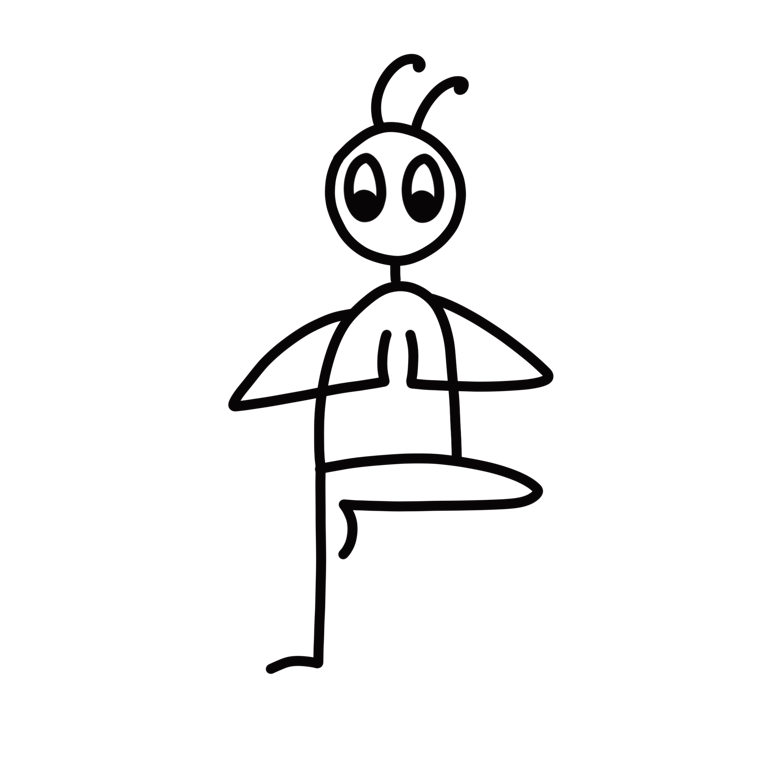
A wave flow rises and falls like the ocean. You start gently, build up to a crest of intensity, and let it calm down again. You can teach one big wave or two smaller ones in the same class.
Best for: mixed-level groups and evening classes, where you want your students to leave calm.
- Begin gently with seated stretches or Cat-Cow.
- Build the intensity with standing and balancing poses.
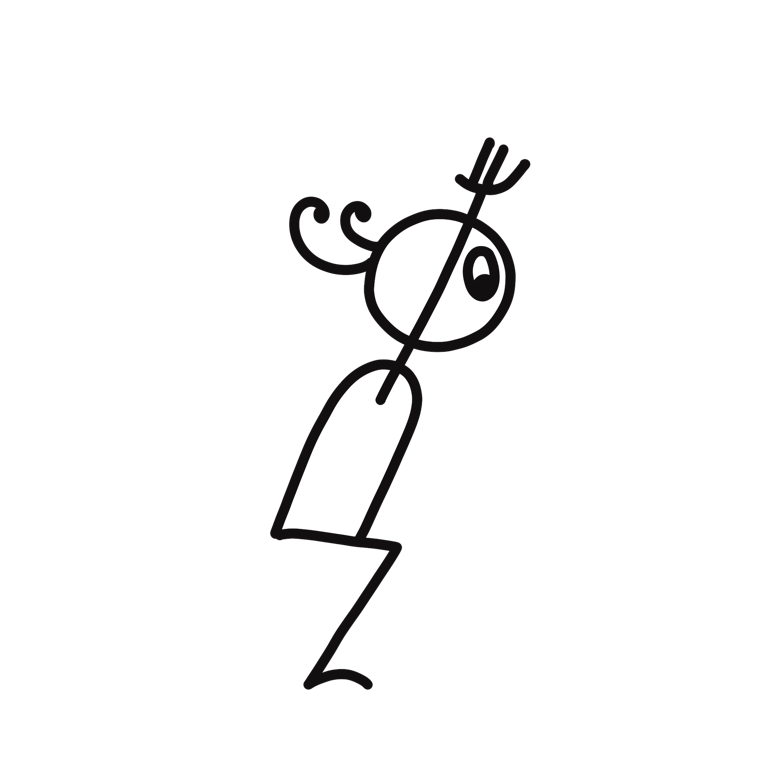
- Reach the crest with your most demanding pose of the class.
- Let the wave roll out with softer, grounded poses.
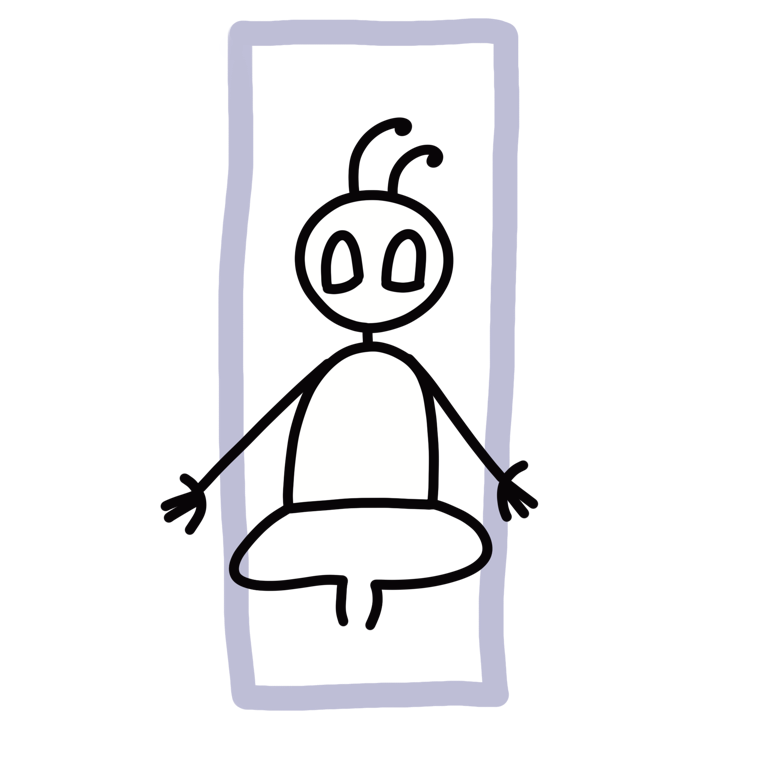
- Finish with a long Savasana.
Example of one full wave:
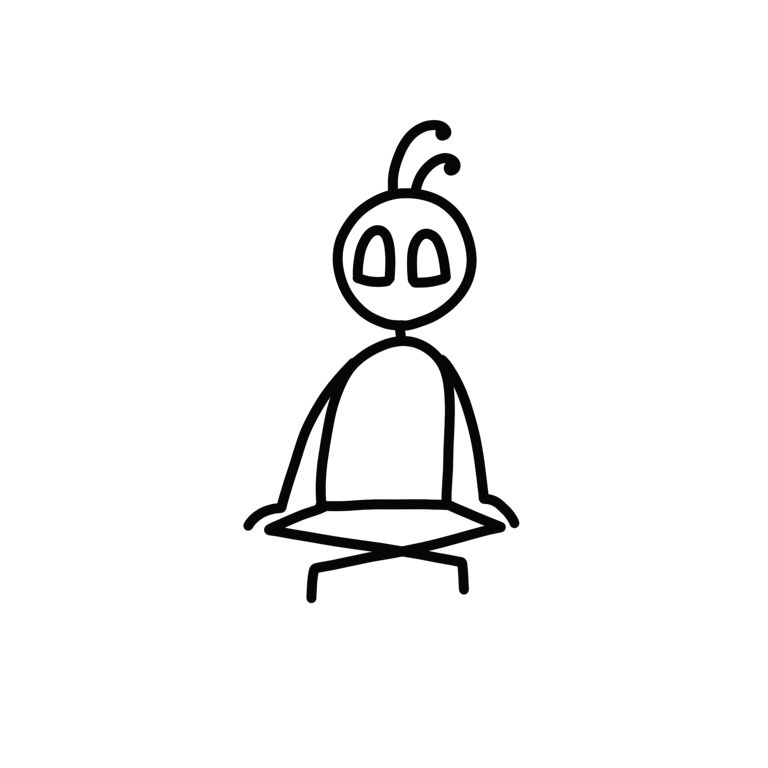
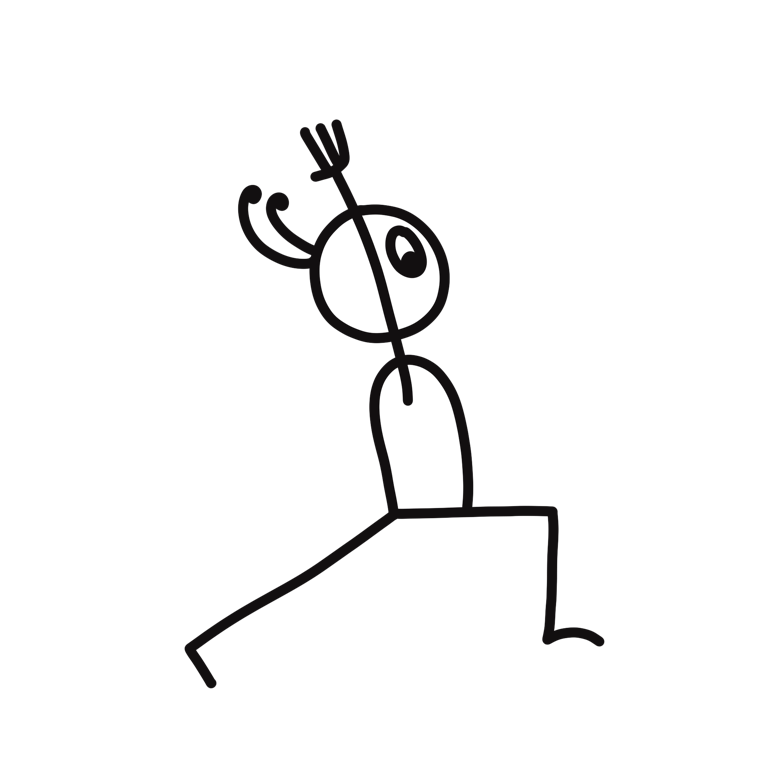
Crest
5. Thematic flow
A thematic flow is built around an idea: an intention, a body area, a chakra, a season, or a quality like grounding or gratitude. The theme decides which poses make it into the class, and it gives your cues and your words a thread to follow.
Best for: regular students, special dates, and classes that should feel meaningful beyond the physical practice.
- Choose one clear theme.
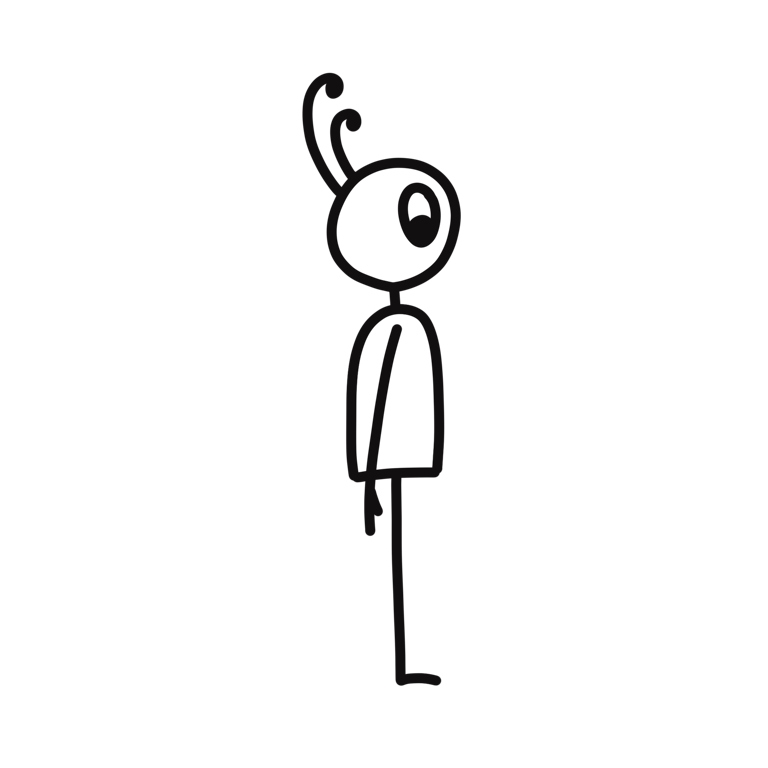
- Pick poses that embody it. A heart-opening theme, for example, calls for gentle backbends and chest openers.
- Weave the theme into your cues, a short quote, or your music.
- End with a moment of reflection that brings the theme back.
Example for a heart-opening theme:
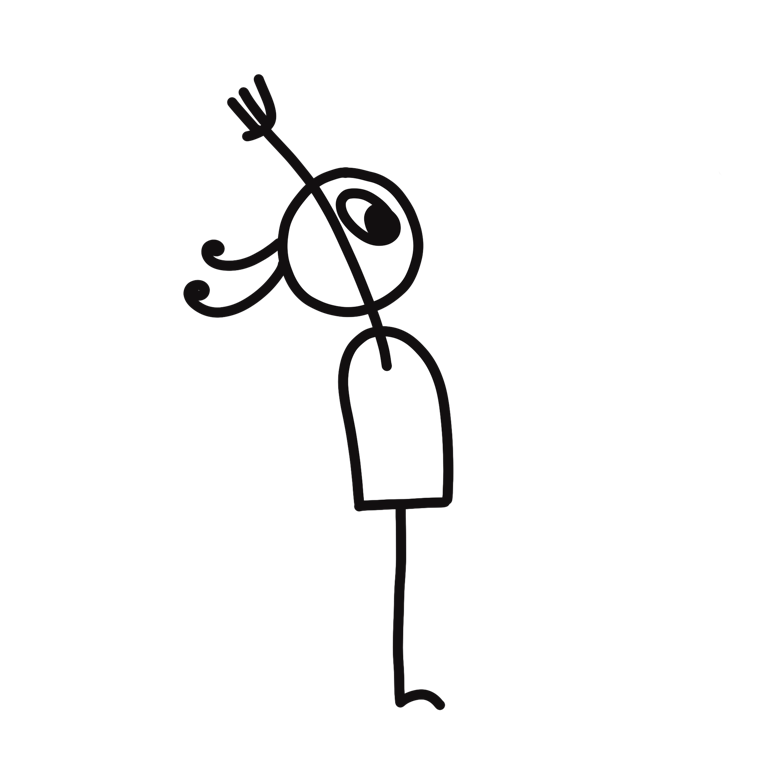
Looking for more ideas? Here's how I create a chakra-based yoga sequence, and my e-book 50 Theming Ideas for Your Yoga Classes gives you 50 themes, each with a short description and peak pose suggestions.
Which sequencing method fits your class?
| Your class | Try this method |
|---|---|
| Workshop or goal-oriented class | Peak pose sequencing |
| Strong vinyasa or power class | Ladder flow |
| Creative class or special occasion | Mandala flow |
| Mixed levels or evening class | Wave flow |
| Regular students or a special date | Thematic flow |
The methods also combine really well. A thematic heart-opening class can build toward Camel as its peak, and a wave flow can include a short ladder at its crest.
Sequencing guides by style and format
The principles stay the same, but every style has its own rhythm. These guides go deeper, each with a complete example sequence:
- Vinyasa yoga sequence
- Hatha yoga sequence
- Yin yoga sequence
- Restorative yoga sequence
- Yoga sequence for beginners
- Chair yoga sequence
- 60-minute yoga class plan
- Sun Salutation A and B
- Printable yoga sequence PDF
Common yoga sequencing mistakes
- Too many poses. A class with fewer poses and more repetition often feels better than a long list. Your students get time to actually arrive in each shape.
- A peak without preparation. If the body hasn't practiced the ingredients, the peak feels like a surprise instead of a reward.
- Forgetting the second side. It happens to all of us. Mark it in your plan.
- Skipping the counterpose. A strong backbend followed straight by Savasana leaves the spine hanging.
- Cutting Savasana short. It's where the whole practice comes together. Never trade it for one more round.
I wrote more about this in 5 yoga sequencing mistakes to avoid.
Tools that make yoga sequencing easier
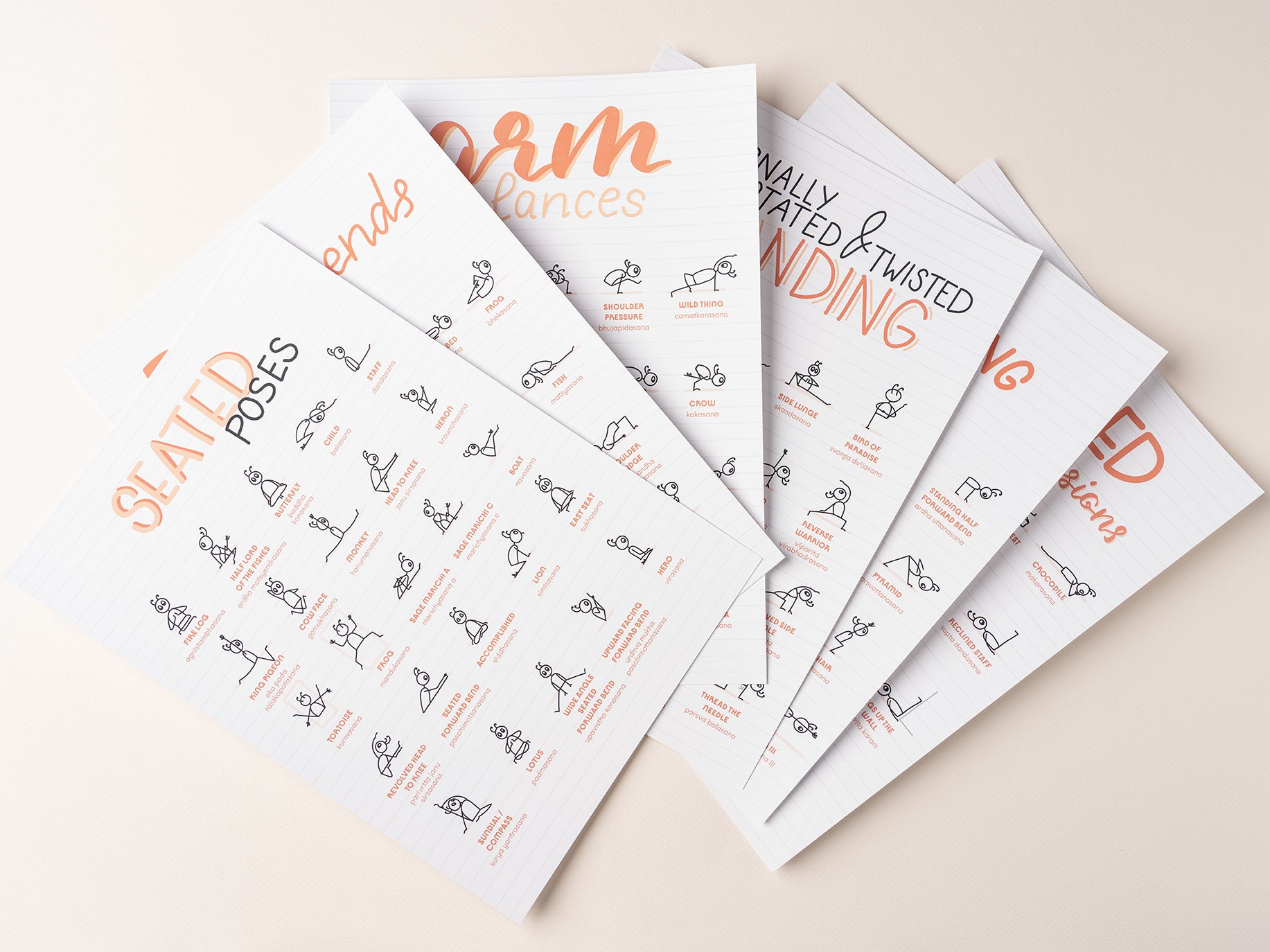
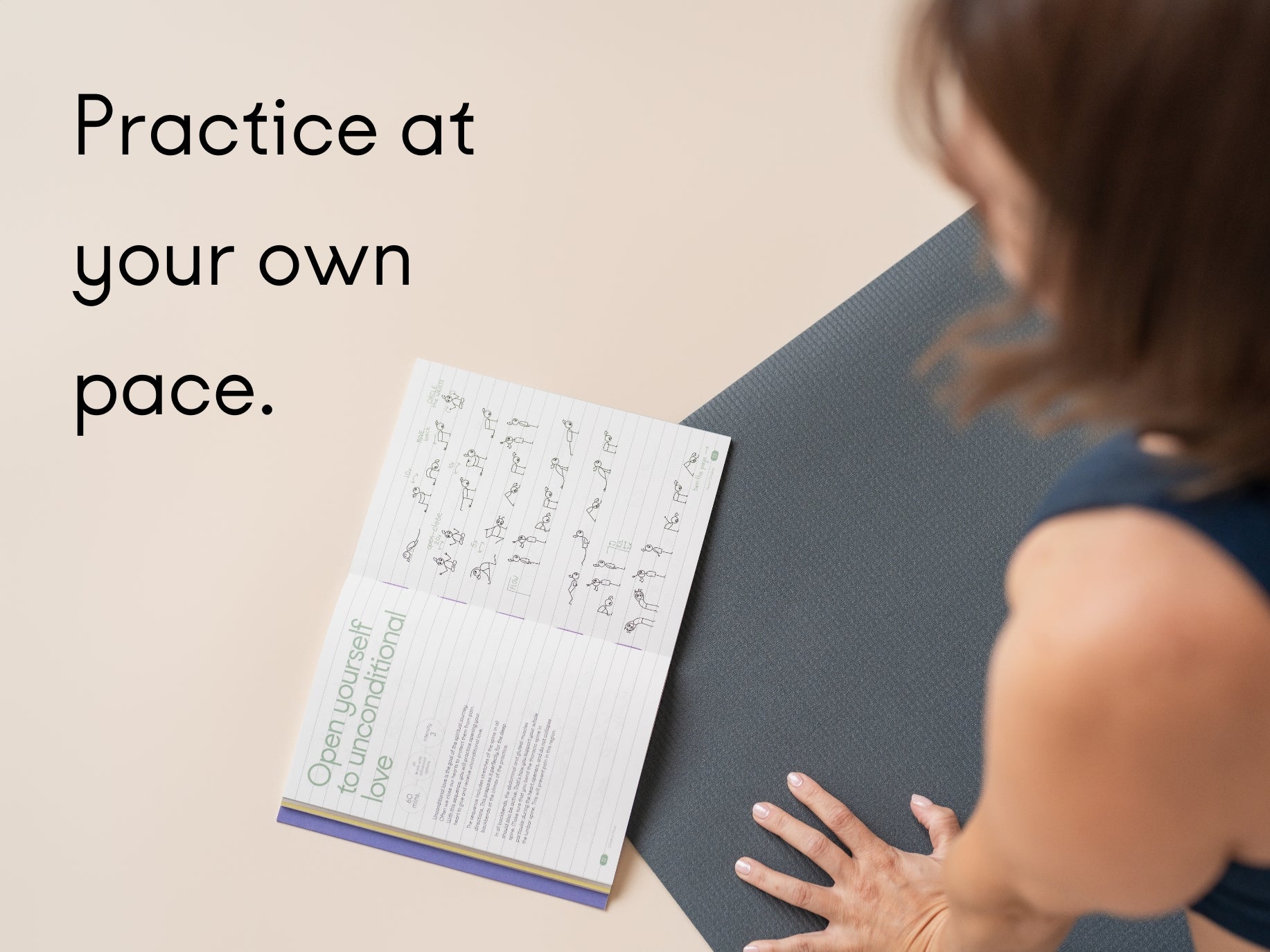
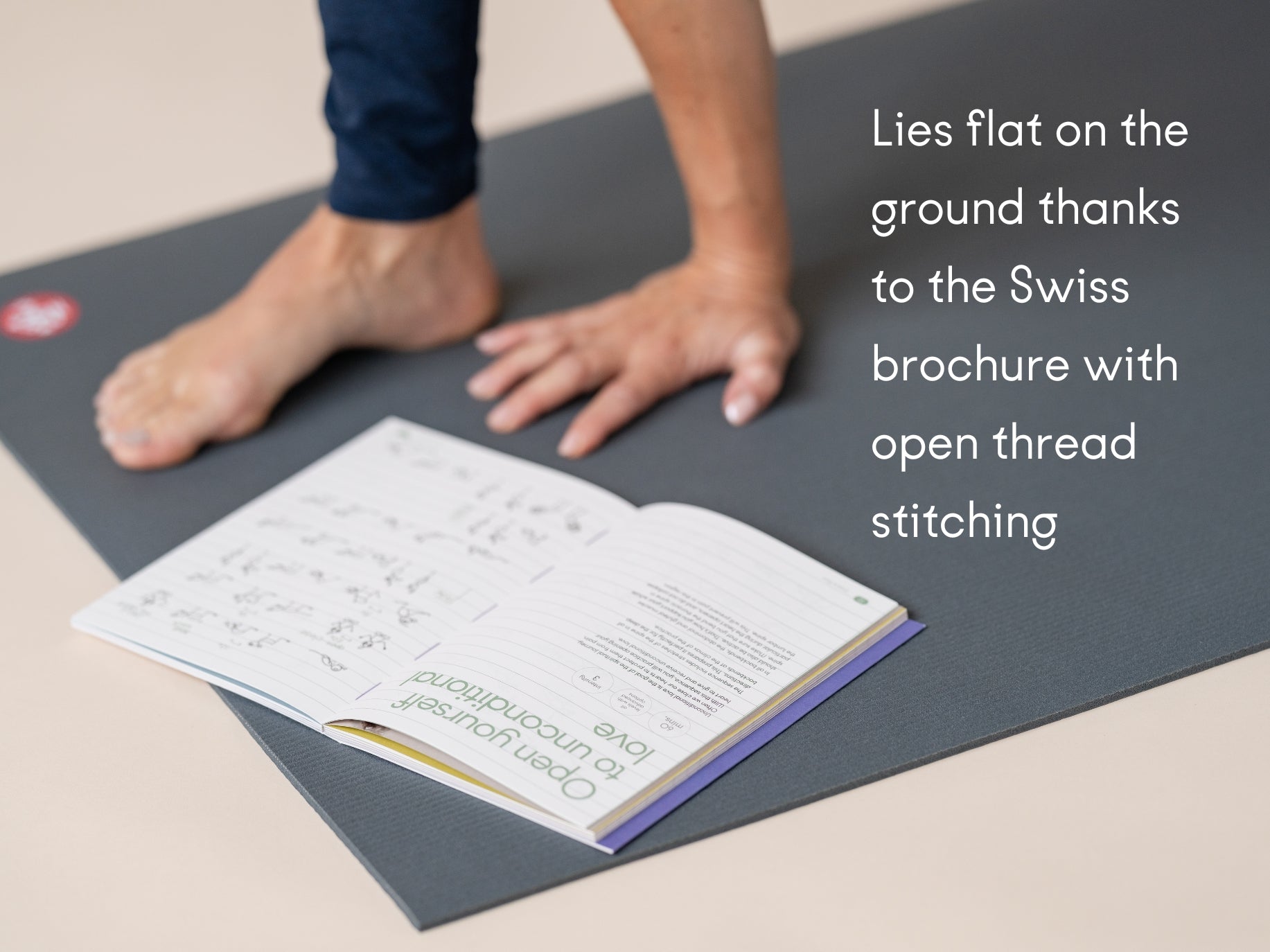
I started Yoga Journaling because I kept drawing little stick figures into my notebook to plan my classes. Today there are a few ways to do it, depending on whether you prefer paper or a screen:
- The Flow Builder: build your sequence online with more than 200 hand-drawn poses, add breaths and notes, and print it as a clean PDF. Your first three PDFs are free.
- Yoga Sequence Builder: 72 color-coded stick figure cards you can lay out on the floor and rearrange until the flow feels right.
- Yoga Sequencing Magnets: stick figure magnets for your fridge or a magnet board, perfect for planning your next class over coffee.
- Yoga Flow Stickers: hand-drawn asana stickers for your notebook, so every class you teach ends up in one place.
FAQ
What is yoga sequencing?
Yoga sequencing is the art of arranging poses in a logical order: warming up the body, preparing it for the most demanding part of the class, and bringing it back to rest. Good sequencing makes a class feel safe, balanced, and easy to follow.
What are the most common ways to sequence a yoga class?
Five methods are especially useful: peak pose sequencing, ladder flows, mandala flows, wave flows, and thematic flows. Each one gives your class a clear structure, and you can combine them.
What is a counterpose in yoga?
A counterpose moves the body in the opposite direction of the pose before it, to bring the spine and joints back to neutral. A gentle forward fold or twist after a backbend is a classic example.
How do I start planning a yoga sequence?
Start with an intention and choose one sequencing method. Then write the sequence down, pose by pose, and practice it once yourself before you teach it.
My tip: Practice your new sequence once in your own body before you teach it. You'll find the awkward transitions in ten minutes on your own mat, and not in front of your class.